
PTSD doesn’t always arrive as something obvious.
It’s intangible, however, felt in the severe form of emotional outburst. Sometimes, it feels like your body reacts before your mind can catch up. A sudden noise makes your heart race. A memory surfaces out of nowhere. You may feel distant, disconnected, or overwhelmed without fully understanding why. Even in calm moments, there can be a quiet sense that something isn’t quite settled inside.
Living with this can be exhausting.
Therefore, for many people, it has been observed that coping with PTSD symptoms isn’t about “getting over it.” It’s about learning how to feel safe again, not only within your thoughts but also with your body and your daily life. That process takes time, and it often begins with understanding.
While most of the people find therapy to be helpful and healing, at other times, people find their solace in books. If you are among those who are searching for the best books on PTSD, here is the list that you could find helpful.
The Color of Trauma by Dr. Linda T. Batson
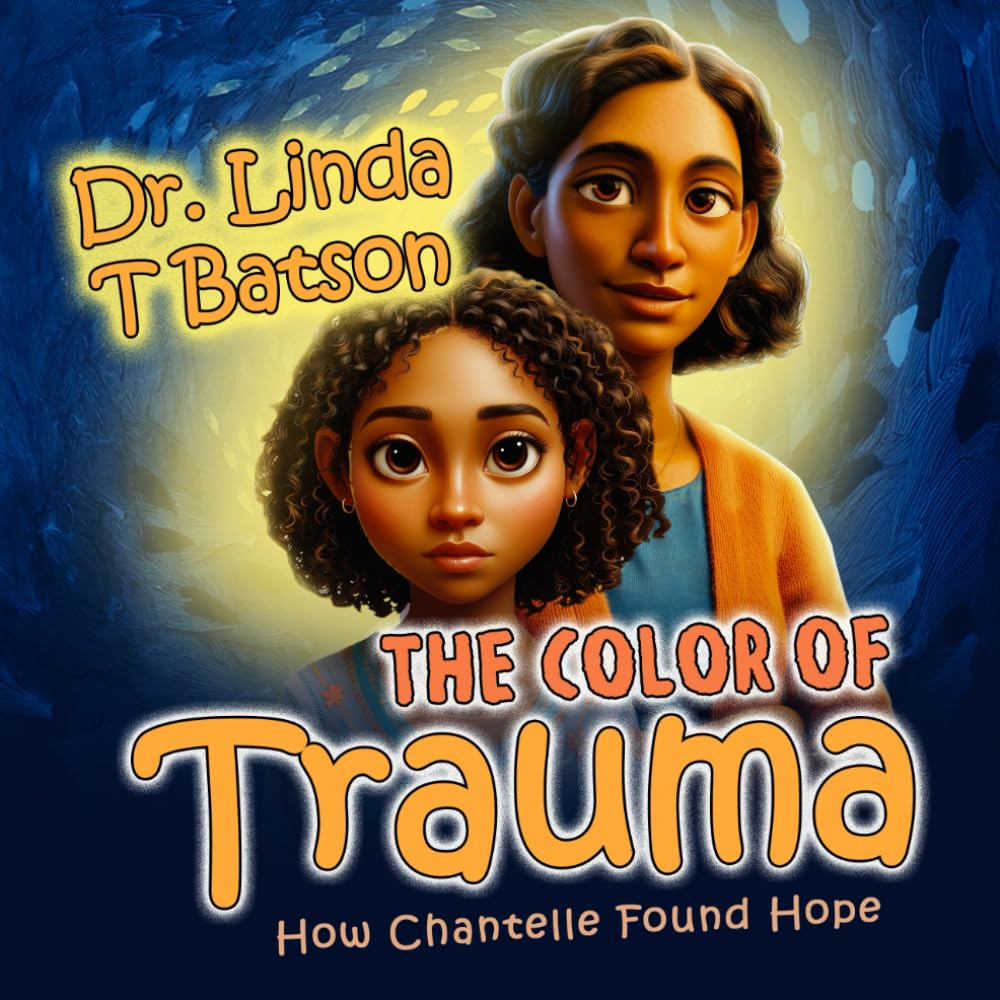
This book offers a very different kind of experience one that feels gentle, visual, and deeply human.
Through the story of Chantelle, a young girl navigating the aftermath of trauma, readers are given a glimpse into how difficult experiences can shape emotions and behavior. Instead of relying on heavy explanations, the story uses colors to represent feelings, making complex emotions easier to understand.
The narrative gives a comprehensive picture of how trauma could affect young minds. From confusion and fear to the slow rebuilding of trust and safety. As seen in the manuscript, the story also highlights the importance of being heard, supported, and believed.
This makes it especially meaningful among books for survivors of sexual abuse, as it approaches a sensitive subject with care and compassion.
The book serves out to be the perfect example for all those who are dealing with abuse and searching for healing after abuse, books that feel safe and approachable.
What My Bones Know by Stephanie Foo
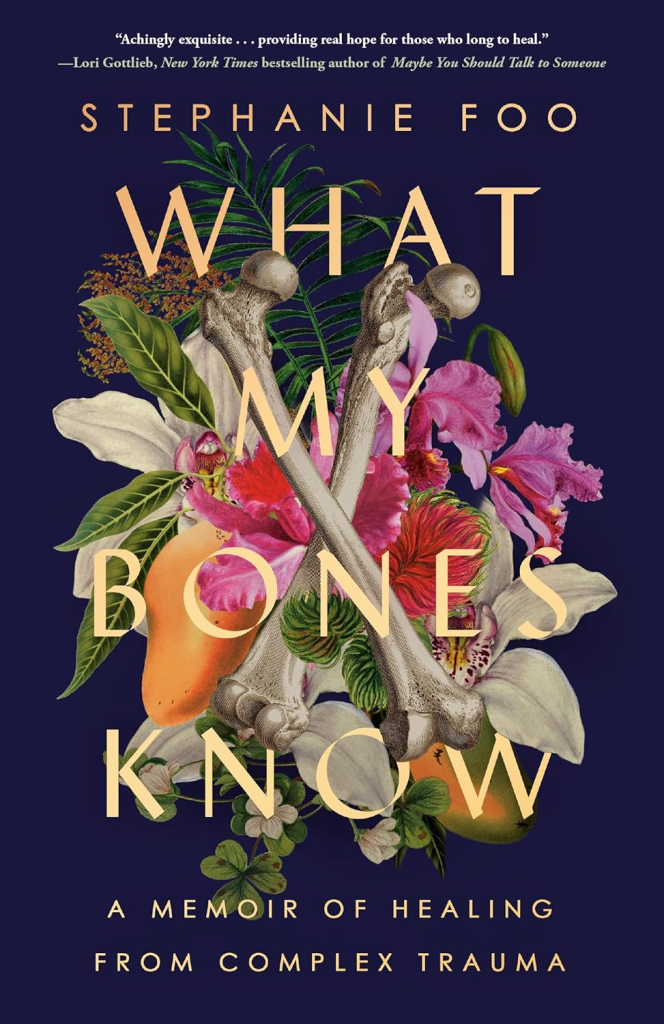
This memoir offers something deeply personal. Stephanie Foo shares her experience with complex PTSD while actively searching for ways to heal.
What makes this book stand out is its honesty.
There’s no promise of a quick fix or perfect outcome. Instead, it reflects the reality of healing—sometimes steady, sometimes uncertain, but always meaningful. Alongside her story, she explores different therapeutic approaches, giving readers insight into what recovery can look like in real life.
Among recent books about trauma recovery, this one resonates strongly with readers who feel isolated in their experiences. It reminds you that even when healing feels messy, it is still progress.
The End of Trauma by George A. Bonanno
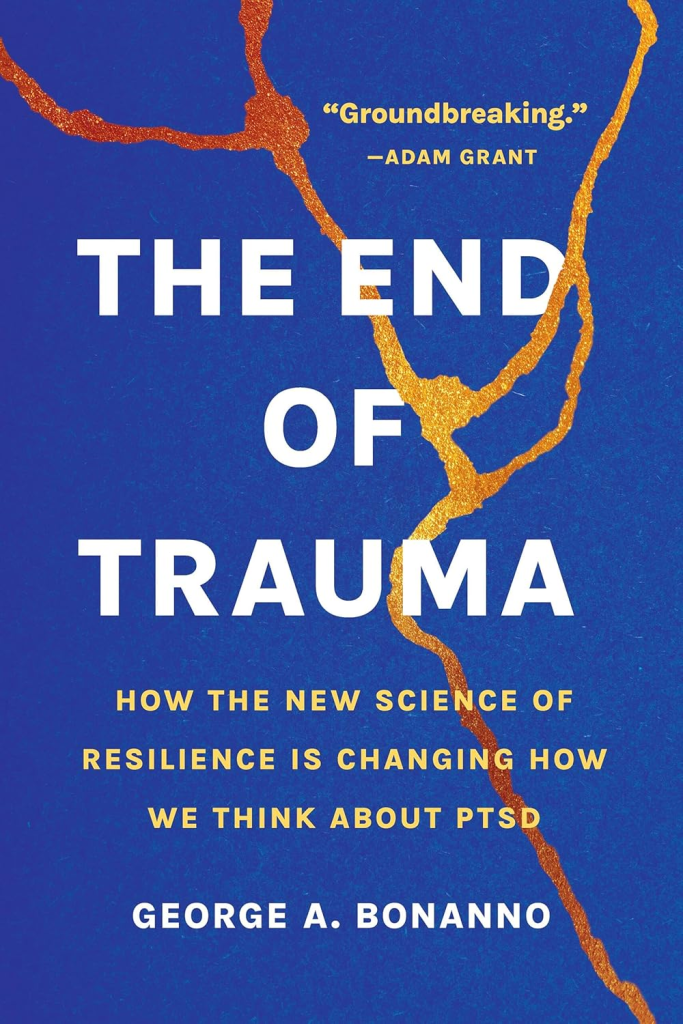
Most of the people who are suffering from trauma or long-term pain they doesn’t understand that all they need is hope. This is just the book created for all those who have been drenched in disappointment.
Rather than focusing only on the lasting effects of trauma, it explores resilience—the ability people naturally have to adapt and recover over time. It challenges the idea that trauma must permanently shape your future.
Through research and real-life examples, it offers a more balanced understanding of how the mind responds to difficult experiences. For readers who feel defined by what they’ve been through, this perspective can feel reassuring.
As one of the more research-informed PTSD recovery books, it’s particularly helpful for those who want both emotional insight and scientific understanding.
What Happened to You? by Bruce D. Perry & Oprah Winfrey
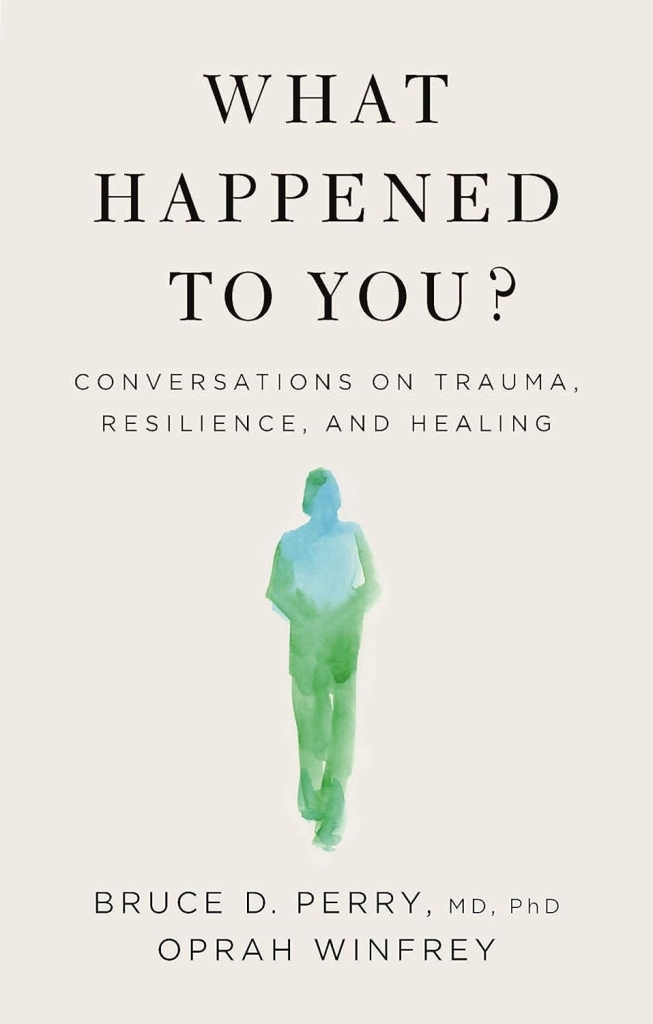
The next book on our list brings about a change in perspective when it comes to dealing with trauma and abuse. Instead of focusing on what’s “wrong,” it encourages a more compassionate question: what experiences shaped the way you feel today?
That change in perspective can be incredibly freeing.
Blending neuroscience with real-life conversations, this book helps explain why trauma affects behavior, emotions, and relationships. It doesn’t feel clinical or distant—instead, it feels like someone gently helping you connect the dots.
As one of the most accessible therapy books for PTSD, it’s especially helpful for those who struggle with self-blame or confusion about their reactions. It creates space for understanding without pressure, making it a strong starting point in any trauma recovery journey.
Healing Collective Trauma by Thomas Hübl
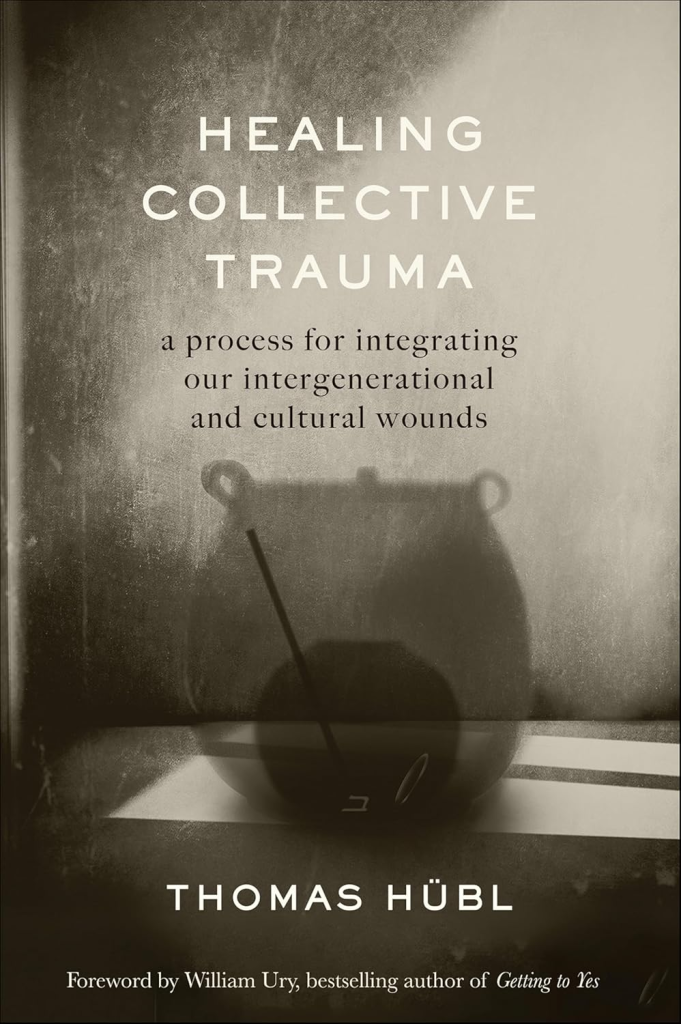
Not all trauma exists in isolation.
Sometimes, it’s connected to family patterns, cultural experiences, or shared histories that are passed down over time. This book explores that deeper layer, offering a broader view of how trauma can exist and how it can be addressed.
The approach here is calm and reflective. It focuses on awareness, presence, and connection—both within yourself and with others. Rather than rushing the healing process, it encourages you to slow down and notice what’s beneath the surface.
For readers exploring long-standing emotional patterns, this is one of the more insightful healing after abuse books available in recent years.
Why These Books Matter
There are a number of reasons why these books hold a special place in the hearts of readers, and they have helped them to heal through the process.
These are the books that show the person who is suffering from trauma that healing doesn’t take place in a straight line. There are moments of clarity, followed by moments of uncertainty. Progress can feel slow, and sometimes it’s hard to recognize it at all. That’s why the right kind of support matters.
These books don’t try to rush the process. Instead, they offer different forms of guidance.
Some help with trauma triggers understanding, making it easier to recognize why certain reactions happen.
Others focus on emotional validation, helping you feel less alone in your experiences.
Some provide practical tools, while others simply help you see your story in a new light.
What connects them all is their tone. They meet you where you are, without pressure or judgment.
Conclusion
If you’re searching for the best books on PTSD, it likely means you’re trying to make sense of something that hasn’t been easy to carry.
That effort matters more than it might feel.
You don’t have to go through everything at once. You don’t have to understand everything immediately. Even small steps—like reading a few pages or recognizing a feeling—can be meaningful.
Healing doesn’t mean forgetting what happened. It means finding ways to live with those experiences without letting them take over your present.
And sometimes, the right book can quietly support you in that process—offering understanding, reassurance, and a sense that you’re not alone in what you’re feeling.